
Overcoming Challenges in Overseas Procurement for Building Materials
Time Delays and Communication Barriers in Overseas Procurement
One of the most significant hurdles in sourcing building materials from China to Australia is the time lost in back-and-forth communication. Time zone differences, language barriers, and the need for detailed clarifications can stretch procurement timelines far beyond initial estimates.
For example, a simple question about product specifications or delivery schedules can take days to resolve when emails or calls are delayed or misunderstood. This slows down decision-making and can push back the entire construction schedule.
Miscommunication is often compounded by technical language differences. Builders and designers use specific terminology that may not translate clearly to suppliers overseas. This leads to repeated clarifications and sometimes incorrect assumptions about product details.
Misinterpretation of Architectural and Shop Drawings
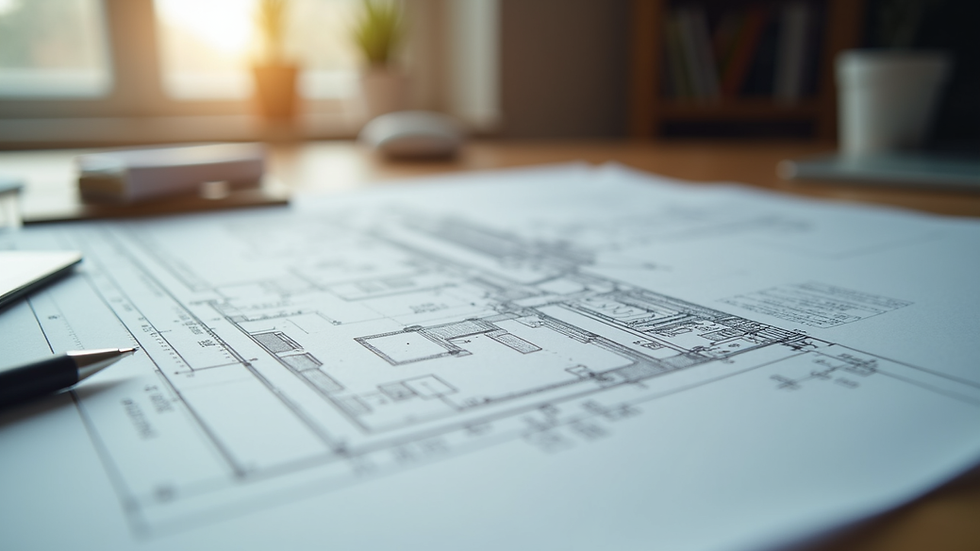
Architectural drawings and shop drawings are the blueprints for what needs to be supplied. However, interpreting these documents correctly across cultures and languages is a major challenge.
A builder might specify a particular finish or dimension, but if the supplier misreads the drawings, the materials delivered may not fit the design intent. This can result in costly rework or delays while replacements are sourced.
Coordination between the supplier, builder, and designer is critical but often difficult to maintain remotely. Without a clear, shared understanding of the drawings, errors multiply.
Quality Risks and the Importance of Factory Inspections
Quality control is another major concern when sourcing building materials overseas. Without proper factory inspections, it’s impossible to verify that products meet Australian standards or project specifications.
Many builders assume that once an order is placed, the supplier will deliver as promised. Unfortunately, this is not always the case. Variations in manufacturing processes, material substitutions, or shortcuts can compromise quality.
On-site or third-party inspections during production are essential to catch issues early. These inspections verify compliance with specifications, check for defects, and ensure that products meet fire ratings and other Australian standards such as the NCC.
Skipping this step can lead to receiving substandard materials that require rework or replacement, causing delays and budget blowouts.

Logistics Complexity, Shipping Delays, and Damage Risks
Shipping building materials from China to Australia involves multiple stages: packaging, customs clearance, ocean freight, and final delivery. Each stage carries risks that can disrupt project timelines.
Delays at customs or port congestion can hold up shipments for weeks. Poor packaging or handling during transit increases the risk of damage, which may only be discovered upon delivery.
Coordinating logistics requires detailed planning and contingency measures. Builders often underestimate the complexity, leading to last-minute rushes or costly air freight alternatives.
Additionally, compliance with Australian regulations on imports, including fire ratings and environmental standards, must be verified before materials leave the factory. Failure to do so can result in rejected shipments or costly modifications on arrival.
Hidden Costs of Poorly Managed Overseas Procurement
When overseas procurement is not managed properly, the hidden costs quickly add up:
Rework: Incorrect or poor-quality materials require replacement or modification on site.
Delays on site: Waiting for corrected materials or dealing with damaged goods stalls construction progress.
Incorrect specifications: Misinterpreted drawings or miscommunications lead to ordering the wrong products.
Budget blowouts: Expedited shipping, reordering, and additional labour inflate project costs.
These issues erode the initial cost savings that overseas sourcing promised. Without tight control and clear communication, the risks outweigh the benefits.
How SupplyNet Addresses Construction Procurement Challenges
At SupplyNet, we understand these challenges intimately. Our approach is designed to eliminate the common pitfalls of overseas procurement and deliver reliable outcomes for builders and developers.
Chinese-speaking coordination capability: We bridge the language gap with fluent Chinese-speaking staff who manage all supplier communications. This reduces misunderstandings and speeds up responses.
Accurate interpretation of drawings: Our team includes technical experts who review architectural and shop drawings to ensure suppliers fully understand specifications.
Direct factory relationships: We work directly with trusted factories, enabling better quality control and faster issue resolution.
Quality control and inspection processes: We arrange on-site and third-party inspections during production to verify compliance with Australian standards and project requirements.
Shop drawings and technical coordination support: We assist in preparing and reviewing shop drawings to align all parties on expectations.
End-to-end procurement management: From initial sourcing to final delivery, we manage the entire process, including logistics and compliance checks.
This comprehensive service reduces the risk of delays, rework, and budget overruns, helping projects stay on track and within budget.
Streamlining Building Materials Supply in Melbourne and Beyond
For builders and developers working on commercial and residential construction sourcing, having a reliable procurement partner is critical. SupplyNet’s expertise in navigating the complexities of overseas procurement means you can focus on delivering quality projects without the headaches of managing suppliers overseas.
Our local presence in Melbourne ensures smooth coordination with your site teams and designers, while our overseas network guarantees access to premium materials at competitive prices.
By partnering with SupplyNet, you gain a trusted ally who understands the realities of sourcing building materials from China to Australia and can deliver practical solutions tailored to your project needs.
Conclusion: Ensuring Success in Overseas Procurement
If you want to learn more about how to avoid common pitfalls in overseas procurement and improve your project outcomes, feel free to reach out. Managing procurement effectively is not just about cost savings - it’s about ensuring quality, compliance, and timely delivery every time.

Sourcing building material packages for an Australian project? SupplyNet runs the full quote-to-supply chain — spec translation, factory QA and delivery coordination. Explore our procurement & supply services, or request a quote and we’ll review your drawings and return pricing within 3 business days.